1268 vues
18 Dec 2025
In backstroke, the kick is not just a source of propulsion; it is the "rudder" that maintains body alignment and keeps the hips from sinking. Unlike the freestyle kick, which emphasizes the downbeat, the backstroke kick finds its power in the upward motion. These Kick Drills focus on transforming a "bicycling" leg action into a fluid, whip-like movement. By mastering the "boiling water" effect and maintaining a stable head position—even while balancing a cup—swimmers develop a centralized, high-tempo kick that provides the lift and speed necessary for an elite backstroke.
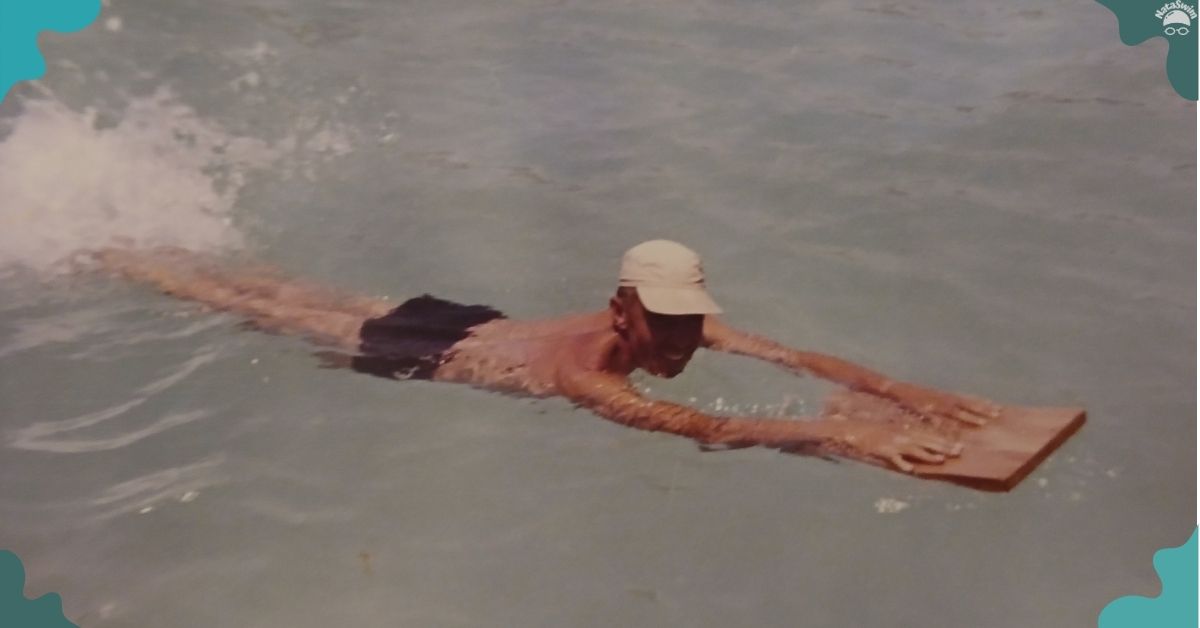
- Drill 29: Boiling Water Drill – This drill teaches swimmers to focus on the upward phase of the kick. By keeping the feet just below the surface, swimmers learn to make the water "boil" through forceful upward pressure rather than creating a noisy splash by dropping the feet from above. This ensures a constant "grip" on the water with the tops of the feet.
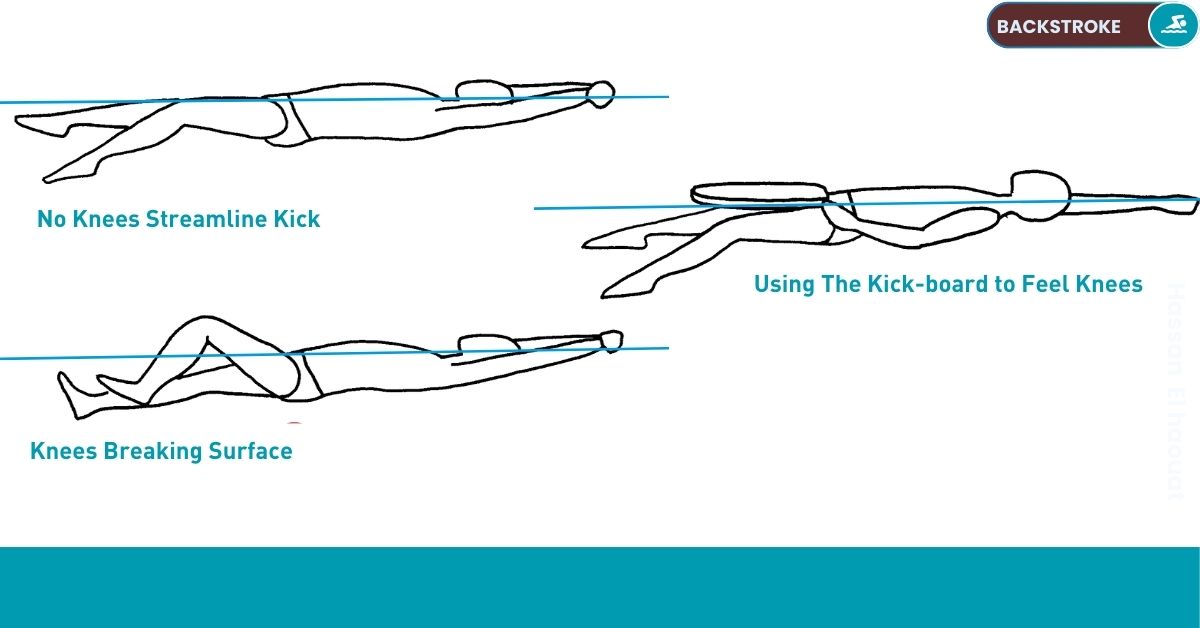
- Drill 30: No Knees Streamline Kick – This exercise corrects the common mistake of "bicycling" or lifting the knees out of the water. By using a kickboard as a physical barrier or focusing on the peripheral vision, swimmers learn to initiate the kick from the hips and quads, ensuring the knees stay submerged while the feet do the work.
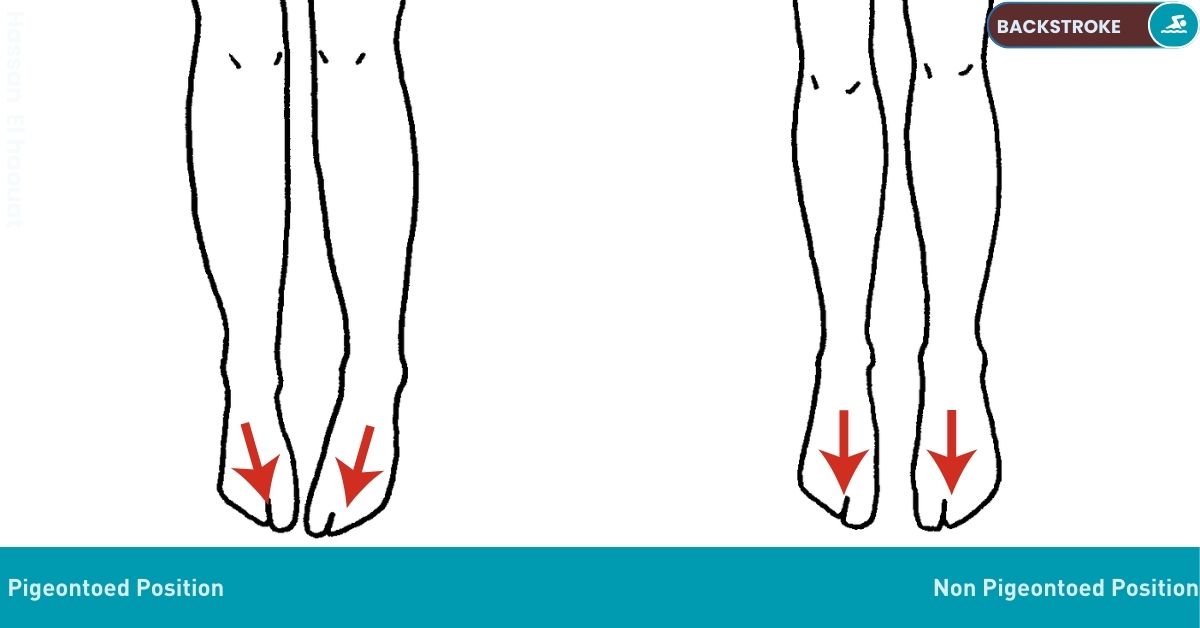
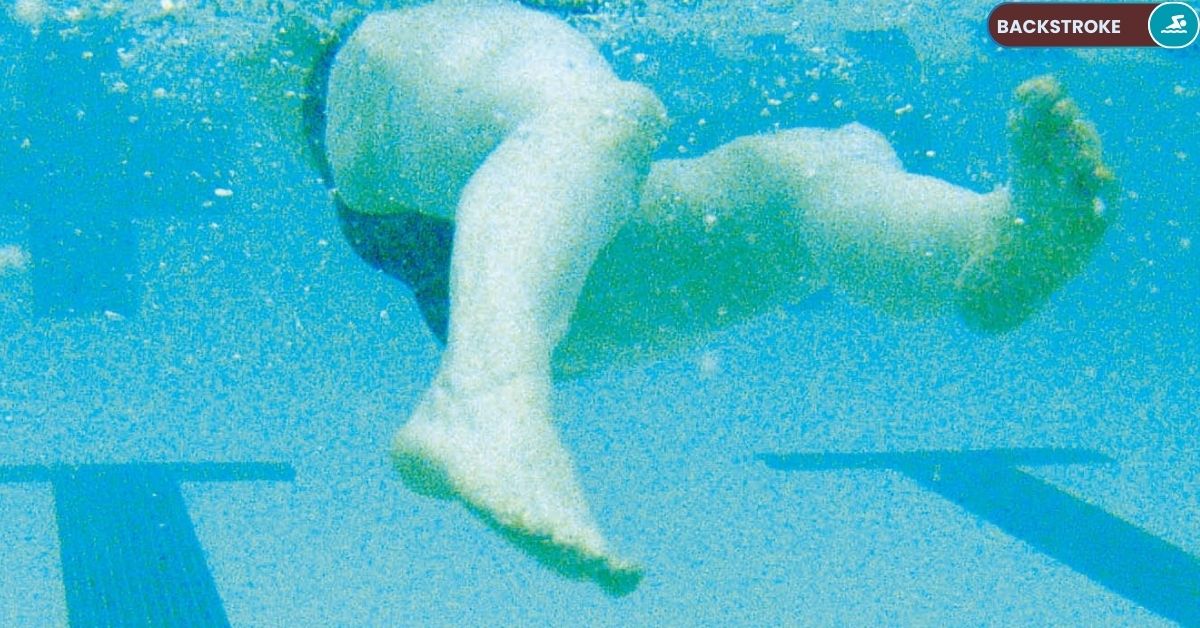
- Drill 31: Pigeontoed Kicking – By rotating the feet inward so the big toes nearly touch, swimmers maximize the surface area of the foot pressing against the water. This "pigeontoed" orientation internally rotates the hips and knees, leading to a more productive, centralized kick that naturally keeps the legs from splaying outward.
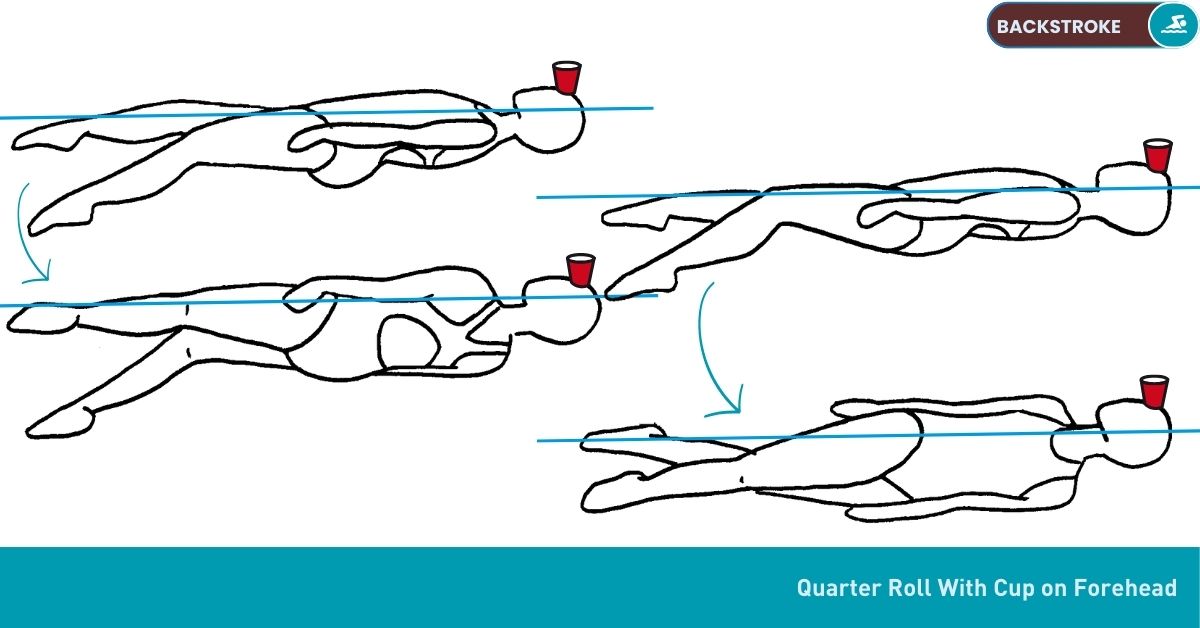
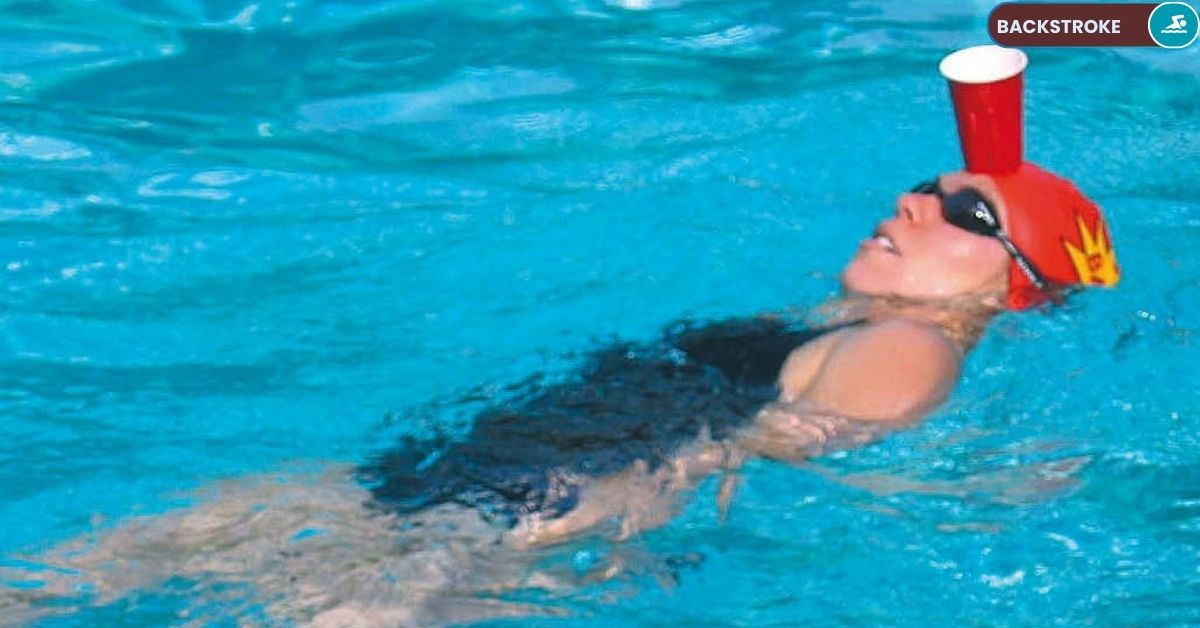
- Drill 32: Quarter Roll with Cup on Forehead – This advanced stability drill requires balancing a cup of water on the forehead while kicking. Swimmers must maintain a perfectly still head while rotating the body (quarter rolls) every six kicks. It demonstrates that while the body and kick orientation must change from side to side, the head must remain a fixed, stable anchor.
Backstroke Swimming : - Kick Drill
Swim Drill - 29 - Boiling Water Drill
THE PURPOSE OF THIS DRILL
- Learning to kick upward with force
- Feeling the water with your feet
- Developing a centralized kick
HOW TO DO THIS DRILL
- Step 1: Stand in the water a bit more than waist deep. Hold one arm outstretched in front of you about twelve inches over the surface of the water. Now, drop your hand down with force into the water. Notice that the splash that occurs goes in all directions. Notice too the sound that your hand makes as it makes a hole in the water.
- Step 2: Now, hold your arm outstretched about twelve inches under the surface of the water. Raise your hand up with force to about three inches under the surface of the water. Notice the water welling up, almost like water coming to a boil. Repeat this action, with more force, as if bringing the water to a full boil, without your hand ever reaching the surface of the water. This is what your feet do in a good backstroke kick.
- Step 3: Try the same thing with your feet. Standing with your back supported at the side of the pool, bring your foot about twelve inches over the surface of the water and drop it down into the water. Notice the large splash. Listen to the distinct sound of your foot making a hole in the water. Now hold your foot twelve inches under the water, toes pointed, and force your foot up towards the surface, but don't allow any part of your foot to break the surface of the water. Make the water boil. Notice the feeling of the water against the top of your foot.
- Step 4: Now lay horizontally in the water, face up, straight spine and good water-line, arms at your sides, toes pointed. Drop the heel of your right foot down about twelve inches into the water. Force it up quickly and create a visible boil. Try it with your left foot. Now try it alternating feet. As the one foot forces the water up, the heel of the other foot drops down.
- Step 5: Kick at a tempo that there is no distinction on the surface of the water between the boil from one foot and that of the other. Continue to the other end of the pool, using a more forceful upward motion, and a gentler downward motion. Repeat for several lengths, feeling the difference between the water on your foot as you force it upwards, and as you drop your heel down.
Backstroke Swimming : - Kick Drill
Swim Drill - 30 - No Knees Streamline Kick
THE PURPOSE OF THIS DRILL
- Learning to keep the knees under the water
- Using the correct muscles to kick backstroke
- Developing an efficient backstroke kick
HOW TO DO THIS DRILL
- Step 1: Lay horizontally in the water, face up, straight spine and good water-line, toes pointed. Extend your arms over your head, squeezing your ears between your elbows and clasping your hands, one over the other. Begin the flutter kick, kicking upward with more force.
- Step 2: Kick at a tempo that there is no distinction on the surface of the water between the boil from one foot and the other. Maintaining a neutral chin position, use your peripheral vision to see if your knees are breaking the surface of the water, or if the water is moving upward around your knees. If so, this indicates that you are lifting your knees, or doing a bicycling motion during your kick. This is common because the muscles used to lift the knees, the abductors, that connect the legs to the abdomen, are used a great deal by humans on land in actions such as walking, running, cycling and climbing stairs. However, in the backstroke kick, lifting your knees weakens your kick.
- Step 3: To engage the correct backstroke kicking muscles, the quads and the hamstrings, resume your backstroke float, hands leading, spine straight, good water-line, squeezing your ears with your elbows, and begin kicking with absolutely no bend at the hips. It means you have to start the kick lower than the surface of the water, and use your leg as if to kick a ball floating on the surface of the water. Although your knee will bend, it is only as a result of your dropping your heel into the water, not by lifting your knee. Imagine kicking a ball with your foot by raising your knee. It wouldn't work. Using your peripheral vision, check your knees. There should be no water moving around them. Practice for several lengths of the pool.
- Step 4: Now, double check if you are lifting your knees by holding a kickboard with one hand, positioning it the long way over your upper legs and knees as you float and kick, keeping the other arm extended over your head. As you kick, you will be able to feel if your knees bump the kickboard. Practice for several lengths of the pool.
Backstroke Swimming : - Kick Drill
Swim Drill - 31 - Pigeontoed Kicking
THE PURPOSE OF THIS DRILL
- Feeling the most advantageous foot position
- Using the most foot surface to kick
- Developing a centralized kick
HOW TO DO THIS DRILL
- Step 1: Lay on your back in the water. Achieve a straight spine, good water-line, and pointed toes. Extend your arms over your head, squeezing your ears between your elbows and clasping your hands, one over the other. Begin the flutter kick.
- Step 2: Point your toes and use a quick kick tempo. Kick upward with more force, creating a boil on the surface of the water. Notice that the part of your foot that comes closest to the surface is your big toe. Kick to the far end of the pool.
- Step 3: Now push off the wall again for the backstroke kick. This time, turn your feet inward to the pigeontoed position, so your big toes are closer together than the rest of your feet. Notice that by turning your feet inward, your knees and hips are also internally rotated. Begin kicking.
- Step 4: Continue kicking with a quick tempo. Feel the top of your foot press upward against the water. Notice that you are engaging more of your foot's surface by positioning your pigeontoed feet. Notice too that your kick is more productive. Kick to the far end of the pool.
- Step 5: Push off again for the backstroke kick. Achieve the pigeontoed position and kick at a quick tempo. Kick the water upward. Notice the centralized boil on the surface of the water. Notice too that your knees stay under the surface of the water better. Continue kicking for several lengths of the pool.
Backstroke Swimming : - Kick Drill
Swim Drill - 32 - Quarter Roll with Cup on Forehead
THE PURPOSE OF THIS DRILL
- Developing a balanced, effective kick
- Understanding the changing orientation of the kick
- Maintaining a stable head position while kicking
HOW TO DO THIS DRILL
- Step 1: Fill a medium plastic cup halfway with water. Gently balance the cup on your forehead as you lay on your back in the water, with a straight spine and good water-line. Once the cup is balanced, position both arms at your sides. Begin kicking, toes pointed, knees underwater, making the water boil. Continue kicking to the other end of the pool, trying to keep the cup of water balanced on your forehead. If it falls off, stand and start again. Practice until you can kick productively without the cup falling off for a full length of the pool.
- Step 2: Now prepare to kick another length with the cup on your forehead. This time, every six kicks, do a quarter roll. Keeping your head still so the cup remains balanced, roll your body clockwise, so that your left shoulder, arm and hip are out of the water, while your right shoulder, arm and hip are low in the water. Your kick should now be oriented to the side.
- Step 3: After six kicks, roll your body a quarter turn counter-clockwise, so you are again flat on your back, and your kick is up and down. Do six kicks. Now, maintaining your head position so the cup stays on your forehead, turn your body a quarter turn clockwise again, so that your right shoulder, arm and hip are out of the water, while your left shoulder, arm and hip are low in the water. After six kicks, roll back to the flat back floating position, kicking up and down.
- Step 4: Continue kicking with quarter rolls to the end of the pool, with your head still so that the cup remains balanced on your forehead. If the cup falls off, start again. This is not an easy drill! Practice until you can kick productively, with quarter rolls, while the cup remains on your forehead for several lengths of the pool.


Catégorie:
Swimming
Publié le:
18 December 2025
Nombre de vues:
1268
Auteur:
Med H EL HAOUAT
Mise à jour:
06/10/2026